Welcome, my beautiful people,
This is Shirley Caines, your Vice President and Treasurer of the Plataforma Nacional Herencia di Sclavitud na Aruba — PNHSA. Today, we’re diving into a topic that sits right at the intersection of culture, identity, spirituality, and resistance.
Yes… we’re talking about African hair.
And let me tell you if you grew up in a Black household, you already know that hair is never just hair. Hair is a whole event. A whole mood. A whole negotiation with the universe. Sometimes a whole prayer session. And depending on the style, sometimes a whole week of commitment.
But beneath the humor lies something deeper:
African hair carries history, memory, and meaning. It has been celebrated, criticized, politicized, spiritualized and through it all, it remains one of the most powerful symbols of Black identity.
Let’s explore why.
1. Our Texture: A Masterpiece of Nature
African hair is a marvel.
Coils, curls, kinks each strand shaped like a tiny helix, spiraling with resilience. Our follicles aren’t round like straight hair; they’re elliptical, giving us that glorious, gravity-defying texture that refuses to behave according to anyone else’s expectations.
And honestly, why should it?
Our hair was never designed to shrink into silence.
2. The Natural Hair Movement: A Return to Ourselves
For generations, we were told our hair needed to be “fixed,” “tamed,” or “made presentable.” Presentable for whom? Certainly not for us.
The natural hair movement flipped the script.
It said:
“Your curls are not a rebellion. Your coils are not a problem. Your hair is your crown.”
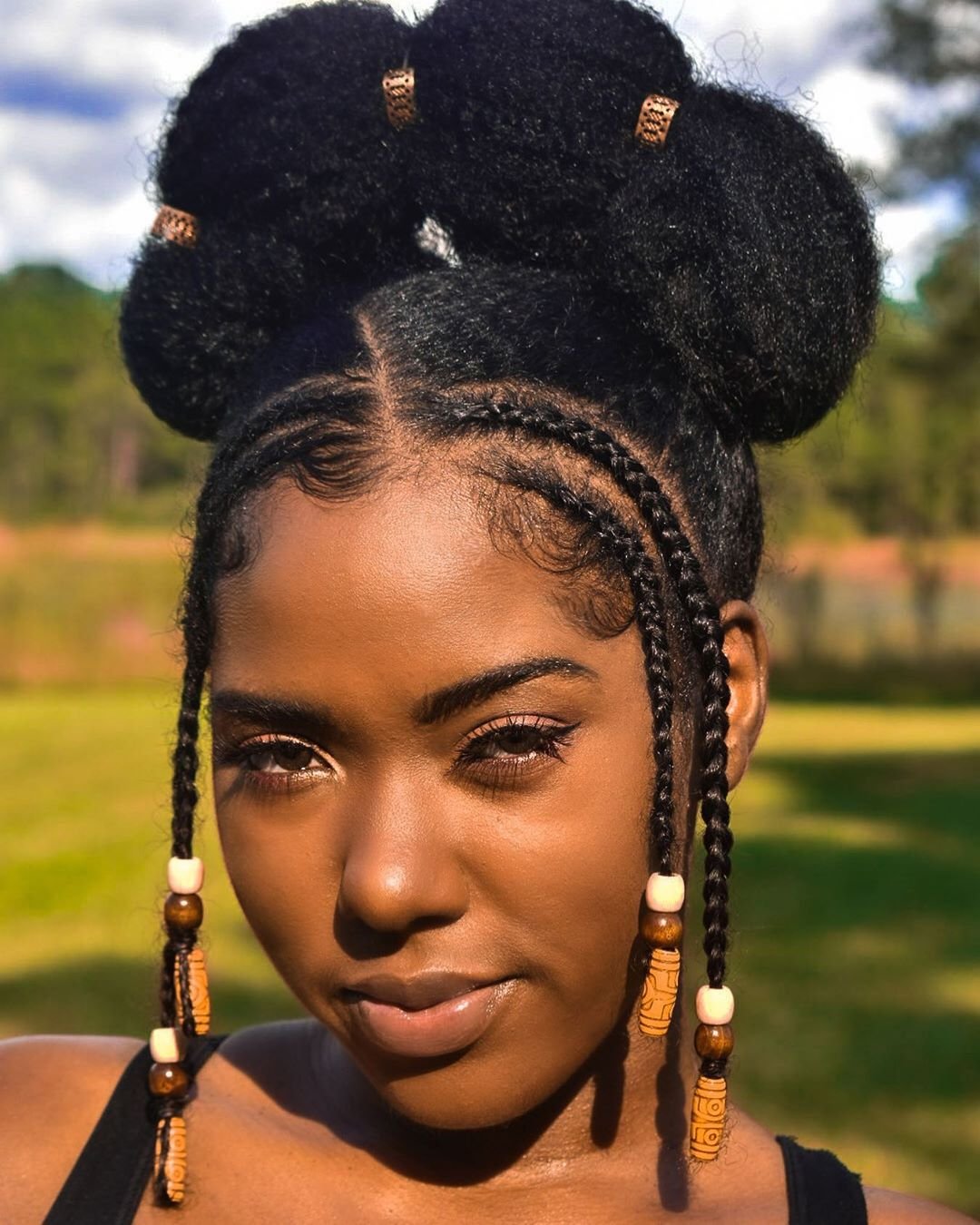
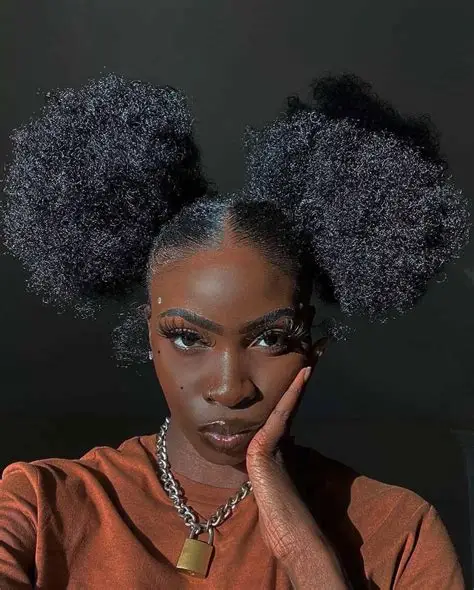
Braids, twists, locs, Afros these aren’t trends. They’re traditions. They’re protective, expressive, and deeply rooted in our identity.
3. The Spiritual Connection: Hair as a Living Antenna
Now let’s go deeper because African hair is not just physical.
In many African cultures, hair is spiritual.
It’s believed to be a conduit, a channel between us, the divine, and our ancestors.
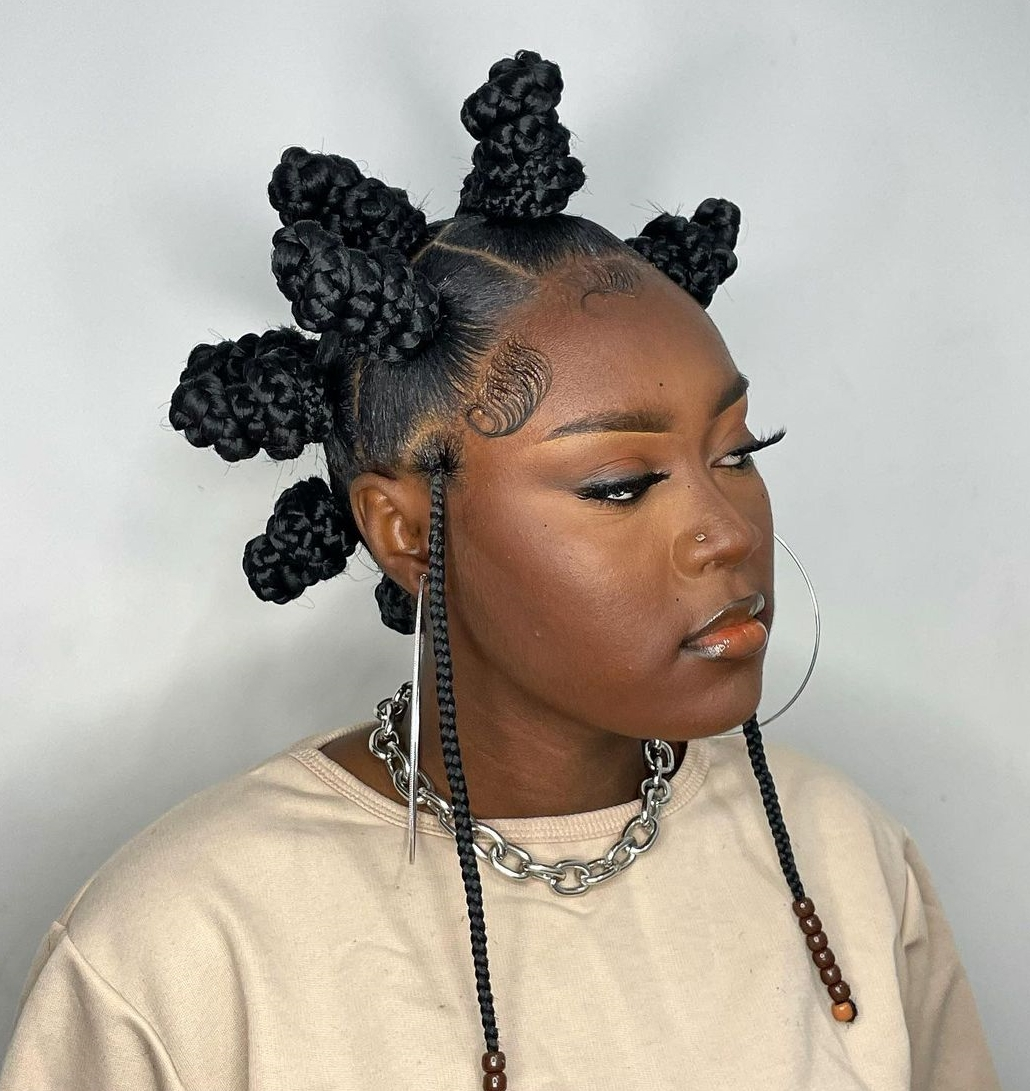
Raised styles like Bantu knots weren’t just cute; they were sacred.
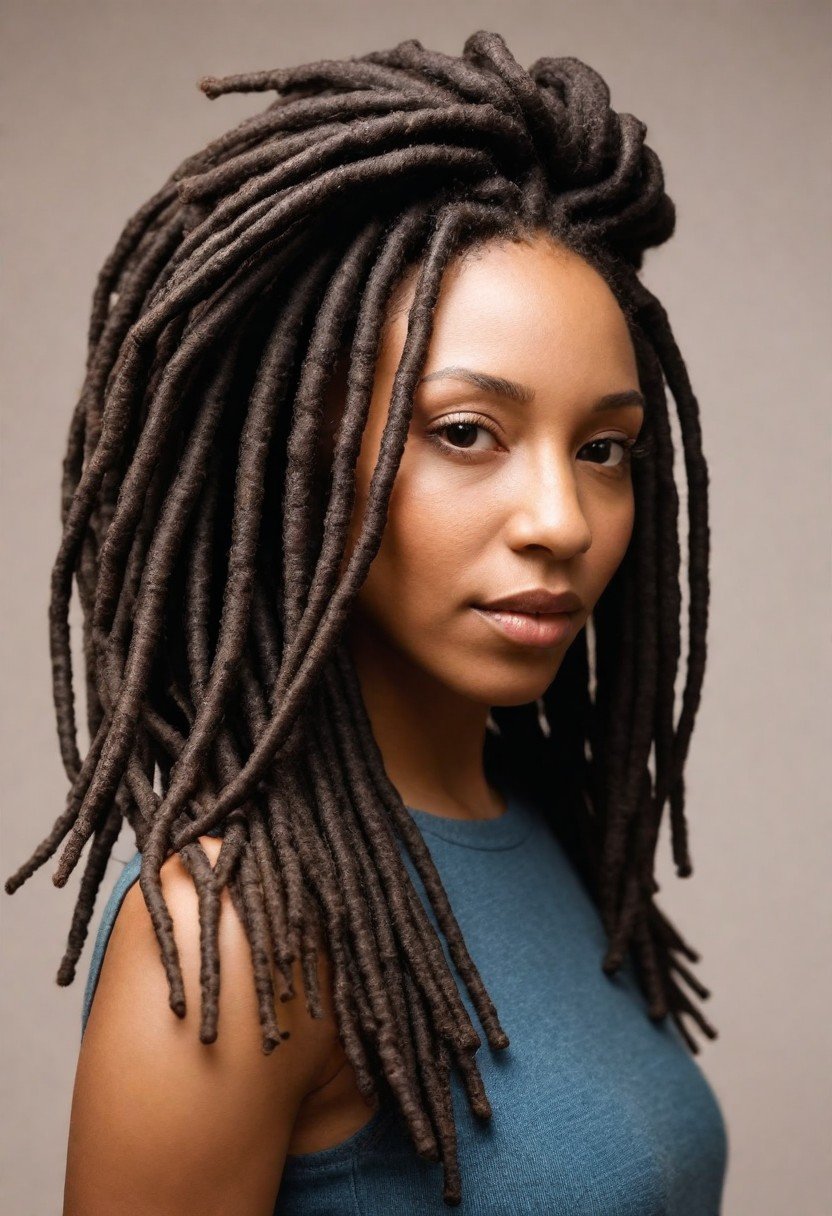
Locs symbolized strength and spiritual discipline long before modern movements adopted them.
Our hair carries memory.
It carries lineage.
It carries energy.
When you understand that, you understand why hair has always played a role in rituals, rites of passage, and ceremonies across the African continent.
4. Hairstyles That Speak Without Words
Let’s take a quick journey through some iconic styles:
- The Afro — a declaration of pride and a refusal to conform.
- Cornrows — ancient, practical, artistic… and yes, used as escape maps during enslavement. Our ancestors braided survival into their hair.
- Bantu Knots — originating from the Zulu people, symbolizing sacred connection.
- Dreadlocks/Locs — worn across African civilizations for centuries, symbolizing strength and spiritual grounding.
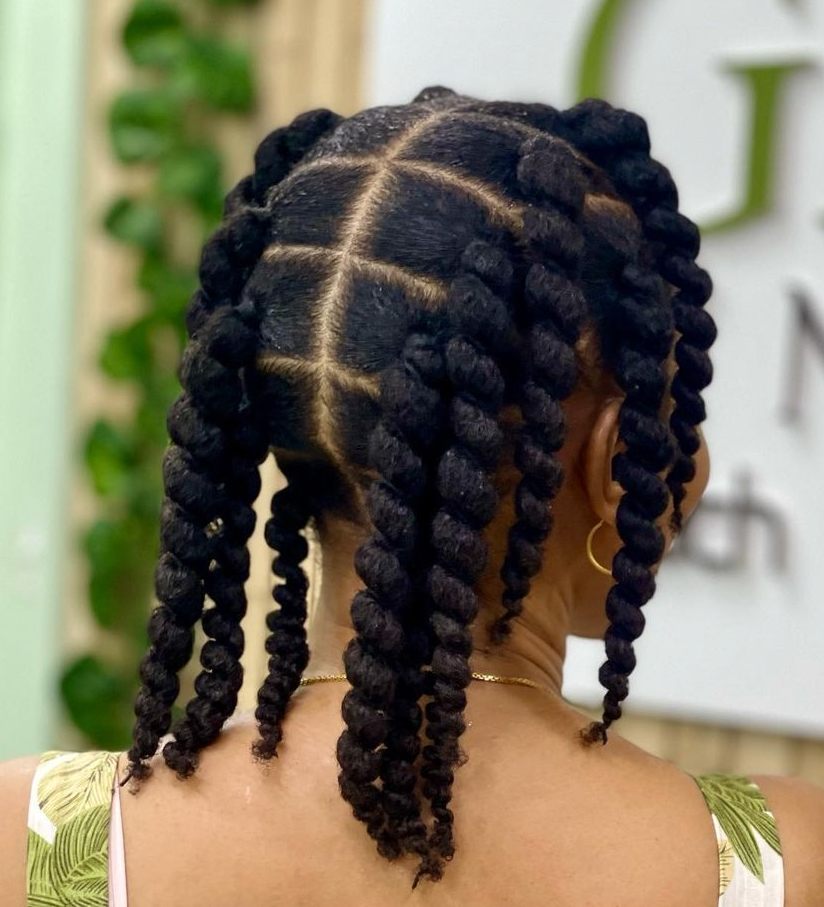
- Twists — simple, elegant, protective, and endlessly creative.
Every style is a chapter in our story.
5. The Racial Politics of Hair
Now, let’s talk about the part that still hurts.
Despite its beauty, African hair has been one of the most policed and discriminated-against features of Black identity.
Textureism is real.
Bias is real.
And discrimination is still happening in schools, workplaces, and public spaces.
Black women are disproportionately punished for wearing their natural hair.
Imagine being told that your natural self is “unprofessional.”
That’s why laws like the CROWN Act matter.
Because our hair should never be a barrier to opportunity.
6. The Hidden Dangers of Chemical Straighteners
For decades, many of us turned to relaxers to fit into Eurocentric beauty standards. But the truth is:
- They weaken the hair shaft
- They burn the scalp
- They disrupt hormones
- And long-term use has been linked to serious health risks
Our beauty should never come at the cost of our well-being.
7. Natural & Organic Haircare: Loving Your Crown the Healthy Way
If you’re embracing your natural hair journey, here are some essentials:
- Use sulfate-free shampoos
- Deep condition regularly
- Keep your hair moisturized
- Protect your ends with braids, twists, or Bantu knots
- Avoid excessive heat
- Nourish your scalp
- And yes drink your water
Your hair is alive. Treat it like the crown it is.
Closing Reflections
African hair is not just a style.
It’s not a trend.
It’s not a phase.
It is heritage, identity, spirituality, and resilience woven into every coil.
As PNHSA continues to advocate for dignity, justice, and cultural preservation, we honor the beauty of our people from the roots to the ends.
Thank you for reading this written episode of our PNHSA blog series.
This is Shirley Caines, signing off with pride, purpose, and a whole lot of curls.