You ever notice how in the Caribbean we love to use the word bacanal? “Boy, last night was a whole bacanal.” “Carnival coming, prepare for the bacanal.”
We use the word like it’s ours, and in a way, it is.
But the story behind it?
That story is bigger than we think.
Here’s the thing… Most of us celebrating it today don’t even realize that this word, this energy, this whole vibe, has roots that stretch all the way back to ancient Rome. And even further back… to Africa. To Alkebulan. To the motherland.
Sometimes we celebrate things without ever stopping to ask where they came from.
And in the Caribbean, one of those things is bacanal.
Today, I want to take you on a journey through time, a real one, across continents, across centuries, across cultures and memory.
A journey to understand how the spirit of Bacchus, the Roman god of wine, ecstasy, excess, immorality and yes, even extreme sexual acts involving animals that somehow ended up dancing in our Carnival streets.
Because the bacanal we celebrate today… it didn’t start here.
It didn’t even start in the Caribbean.
It started in ancient Rome, and then it collided with the soul of Africa, the motherland, Alkebulan.
And when those two worlds met?
Carnival as we know it was born.
Rome’s Bacchus: Ecstasy, Wine, Fear and Immorality
Let’s start with the Romans.
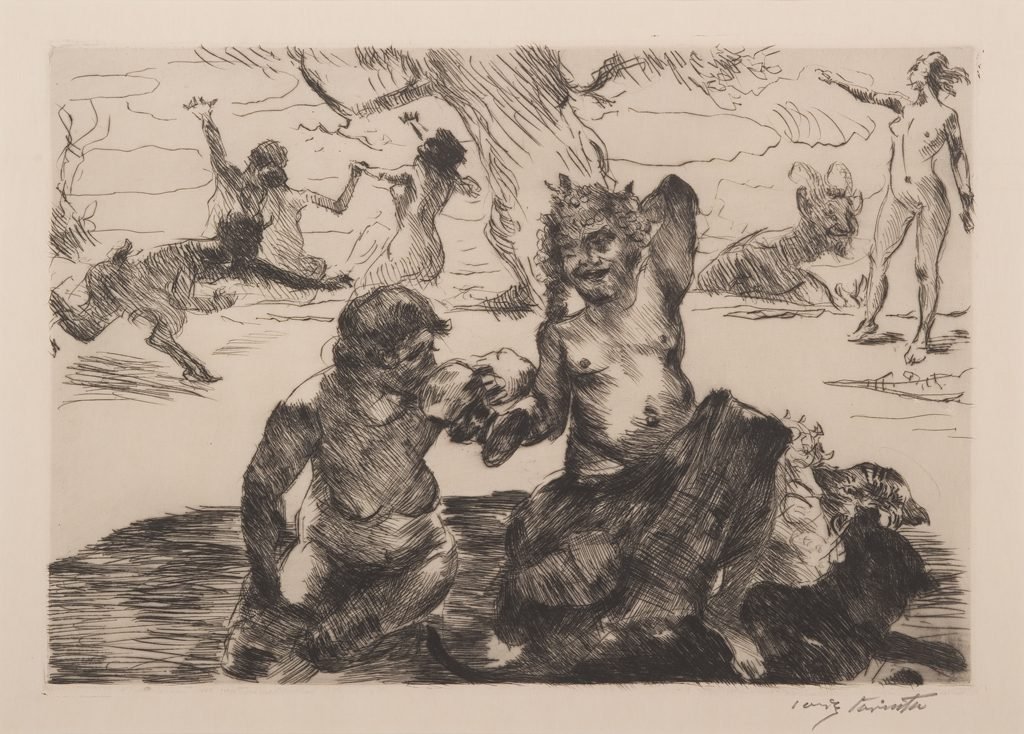
Bacchus their god of wine, ecstasy, excess, immorality and yes, even extreme sexual acts involving animals (bestiality).
His festivals, the Bacchanalia, were wild dancing, ecstatic drumming, erotic freedom, emotional, a collective frenzy and a reversal of social rules.
People danced, drank, wore masks, and broke the rigid social rules Rome was built on.
The word bacchanalia eventually came to mean any wild, unrestrained party.
Africa’s Carnival: Spirit, Ancestors, and Resistance
Now let’s shift to Africa – Alkebulan the mother of rhythm, movement, and masquerade.
Long before Rome ever imagined Bacchus, African cultures were celebrating:
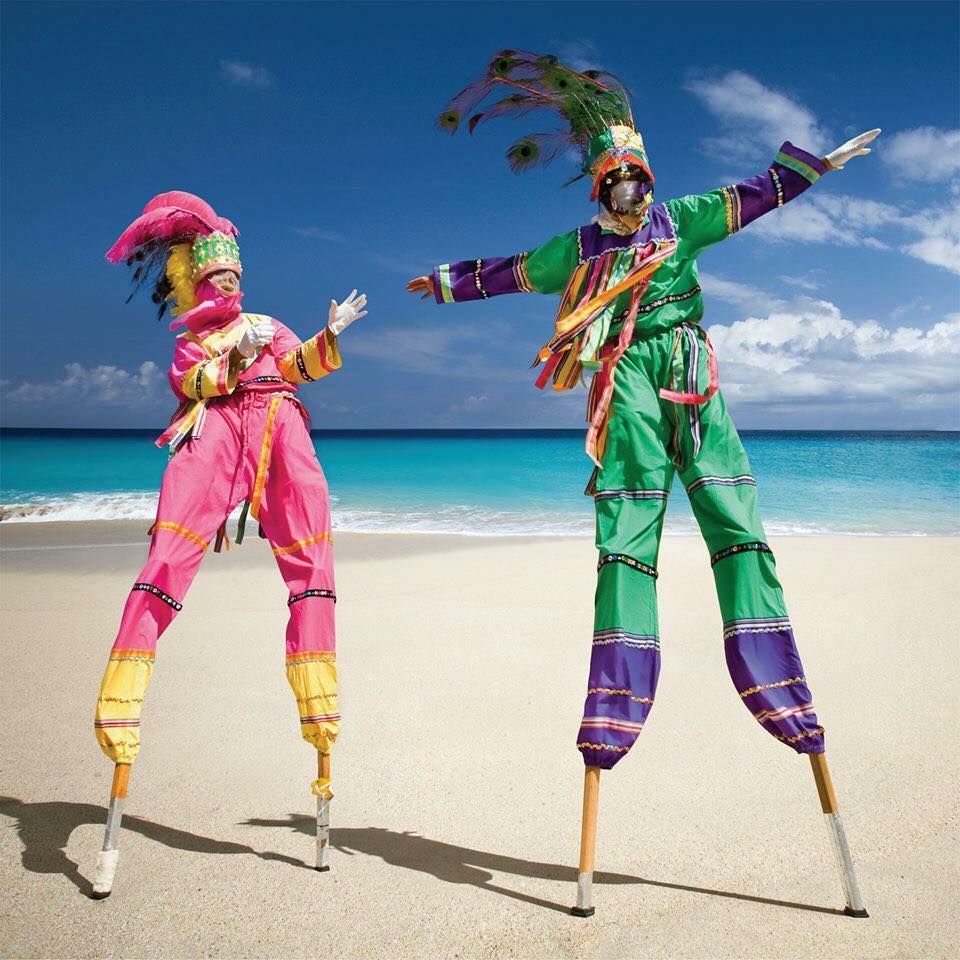
- Masquerade traditions like Egungun, Moko Jumbie, and Abakuá
- Ritual dance that connected the living to the ancestors
- Drumming that invoked spirit and memory
- Communal festivals where the village became one body
- Role reversal as a way to restore balance
African celebrations weren’t about losing control; they were about connecting:
- To spirit
- To community
- To identity
- To the ancestors
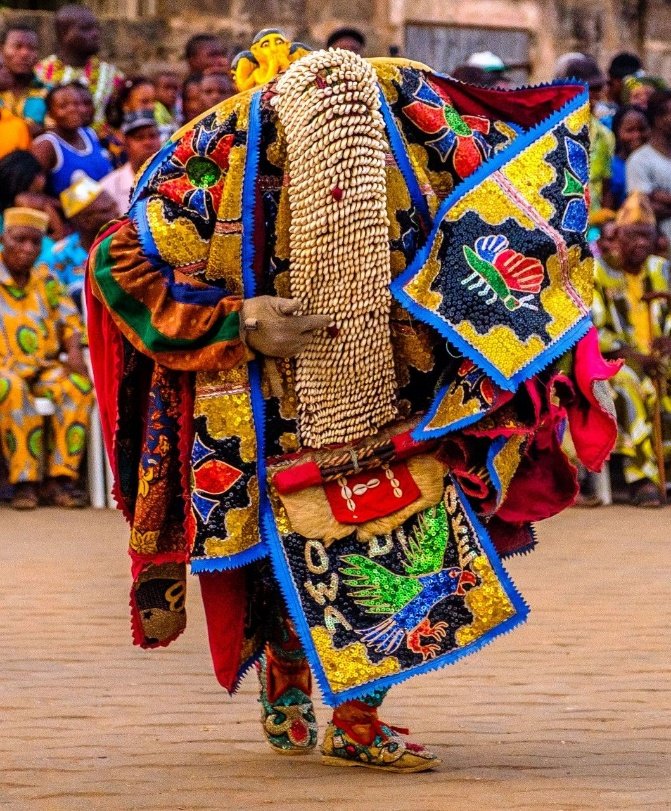
Where Rome saw ecstasy as chaos, Africa saw it as spiritual alignment.
Where Rome feared the mixing of classes, Africa embraced the unity of the community.
Where Rome used masks to hide, Africa used masks to reveal, to bring the spirit world into the physical one.
This is the true root of Carnival’s soul.
When the Two Worlds Collided (1400s–1800s)
So how did these two traditions – Roman and African – ever meet?
Through colonization.
Through the transatlantic slave trade.
Through the forced movement of millions of African people into the Caribbean.
European colonizers brought their pre‑Lenten festival – Carnival – to the islands.
It was a European tradition shaped by Roman influence, including the leftover spirit of Bacchus:
- Masks
- Drinking
- Role reversal
- A few days of “licensed disorder”
But Africans brought something deeper:
- Drumming
- Spirit possession
- Masquerade
- Ritual dance
- Communal celebration
- Resistance
And when the enslaved Africans were forbidden from celebrating their own traditions, they used Carnival as a disguise; a way to keep their culture alive under the watchful eyes of the plantation.
This fusion happened gradually, from the 1600s to the 1800s, across islands like:
- Trinidad
- Haiti
- Jamaica
- Curaçao
- Aruba
- Barbados
- Cuba
- Brazil
By the time emancipation came, Carnival had become something entirely new; something neither Roman nor European could claim.
It had become Caribbean.
The Birth of Caribbean Bacanal
So here’s the beautiful part.
The Roman word bacchanalia survived the journey.
It transformed into the Caribbean word bacanal.
But the meaning changed.
In Rome, Bacchanalia meant:
- Ecstasy
- Wine
- Breaking social order
- Immorality
In the Caribbean, bacanal became:
- Rebellion
- Chaos
- Dance
- Freedom
- Release
- A celebration of survival
The plantation elite tried to suppress African culture because it gave the enslaved people too much power.
And today, when we say “bacanal,” we’re speaking a word that carries:
- Roman history
The Truth Behind the Celebration
So the next time Carnival comes around…
When the drums start calling your body…
When the costumes shimmer in the sun…
When the whole island becomes one heartbeat…
Remember this:
You’re not just celebrating.
You’re participating in a tradition born from two worlds; one that tried to controls and exploits, and one that was used as resistance.
Bacchus gave the world immorality, collective frenzy.
Africa gave the world spirit, unity.
The Caribbean gave the world bacanal.
| Theme | Bacchus / Bacchanalia | Carnival / Bacanal |
| Intoxication | Sacred wine | Rum, beer, celebration |
| Masks & costumes | Maenads, satyrs, disguises | Masquerade, Carnival costumes |
| Ecstasy & dance | Frenzied rites | Soca, samba, tumba, comparsa |
| Role reversal | Social boundaries dissolved | Carnival freedom, “misrule” |
| Collective release | Ritual liberation | Pre-Lent release, street parties |
| Breaking norms | Temporary chaos | “Anything goes” Carnival energy |
And that fusion is what makes our Carnival unlike anything else on Earth.
Written by Shirley Caines & Sirelda Jackson