Written by Shirley Caines, Vice-President and Treasurer of the Plataforma Nacional Herencia di Sclavitud na Aruba (PNHSA)
Body shaming is not just a comment about someone’s appearance it is a wound that cuts into identity, dignity, and self-worth. For Black African women, this wound is not new, it is inherited. It is layered with history, stereotypes, and centuries of being told that their bodies were “too much,” “too big,” “too dark,” or “too different.” It is about the quiet battles people fight inside themselves after being told directly or indirectly that their bodies are wrong. It is woven into a world that has often misunderstood, exploited, or feared their beauty. And yet, Black women continue to rise, to redefine beauty, and to reclaim what was always theirs.
Today, we’re diving into the emotional, cultural, historical weight of body shaming, the modern contradictions that shape how Black women experience body shaming. How it affects Black women specifically, and how we reclaim our power, our beauty, and our narrative.
The Emotional Reality: When Your Body Becomes a Battleground
To understand the present, we must acknowledge the past.
Body shaming against Black women did not begin in the modern era. It is tied to a long history of exploitation and dehumanization. Black women’s bodies have been controlled, judged, and displayed for centuries.
One of the most painful & heartbreaking examples is the story of Sarah Baartman, a South African Khoikhoi woman taken to Europe in the 1800s as a spectacle. She was displayed in human zoos and circus shows because of her curvy body treated as an object, not a human being. Her body was exoticized, mocked, dissected and displayed even after her death.
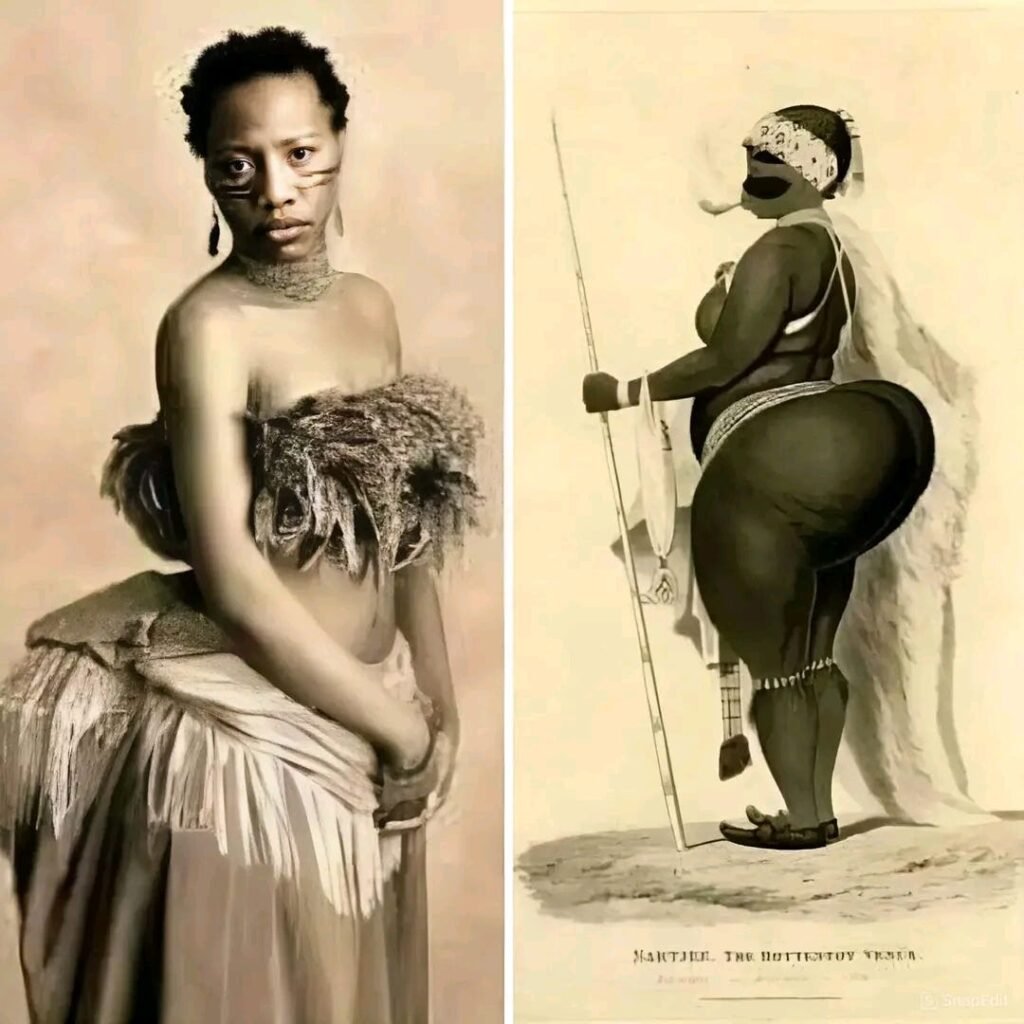
Her story is not an isolated tragedy; it symbolizes a pattern:
- Black women used in medical experiments without consent
- Black bodies displayed in “human zoos”
- Black features studied as abnormalities
- Black femininity reduced to stereotypes
This history created a blueprint for how society viewed Black women: exotic but not respected, desired but not valued, visible but not protected.
For Black women, these struggles are often intensified by:
- Hypersexualized yet devalued
- Admired in secret but shamed in public
- Seen as “too much” compared to European beauty standards
- Being stereotyped as “strong” and therefore denied vulnerability
- Being judged more harshly in professional spaces
- Being compared to unrealistic beauty standards that were never designed for them
These messages didn’t disappear, they evolved. The emotional toll is real. And it deserves to be acknowledged.
The Psychological Attack: When Beauty Standards Became Weapons
Many Black women grow up hearing messages that chip away at their confidence:
- “Your lips are too big”
- “Your hips are too wide”
- “Your hair is too wild”
- “Your skin is too dark”
- “Your body is unprofessional, unrefined, unworthy”
These weren’t just insults; they were psychological attacks designed to force Black women to shrink themselves to fit into a world built around white beauty standards. They are emotional cuts. They shape how a girl sees herself before she even understands the world.
For generations, Western beauty standards centered thinness, straight hair, narrow features, and lighter skin. These standards were not accidental; they were shaped by colonialism and racism.
Black women were pressured to:
- Straighten their hair to be “professional”
- Minimize their curves to avoid being sexualized
- Lighten their skin to be seen as “acceptable”
- Hide their natural features to fit into a narrow ideal
This wasn’t just beauty advice. It was a psychological attack. It told Black women:
“You must change yourself to be worthy.”
And many did because survival sometimes required it.
Not because they didn’t love themselves, but because society punished them for looking like themselves.
The Modern Contradiction: When the World Began to Imitate What It Once Shamed
Today, we see a striking shift.
Features once mocked on Black women are now celebrated, widely admired and even surgically replicated but only when worn by others.
- Lip fillers
- Butt implants
- Curvy silhouettes hips
- Tanned skin
- Braided hairstyles
- Fuller hips and thighs
- Voluptuous figures
Cosmetic procedures, fillers, implants, and contouring trends often aim to recreate the very features Black women were told to hide.
These features are now marketed as “trendy,” “sexy,” or “exotic” but only when attached to white or non-Black bodies.
This is not about blaming individuals: it’s about recognizing a cultural contradiction:
Society rejected these features on Black women, but celebrates them on others.
This raises painful questions:
Why was a Black woman’s natural body “too much,” but the same features on someone else are “beautiful,” “trendy,” or “desirable”? Why did Black women have to shrink themselves while others are praised for expanding into the very same shape?
Why did society reject these traits on Black bodies but celebrate them on others?
Why is Black beauty only acceptable when separated from Black women themselves?
This is not just cultural appropriation; it is emotional appropriation.
It is body appropriation.
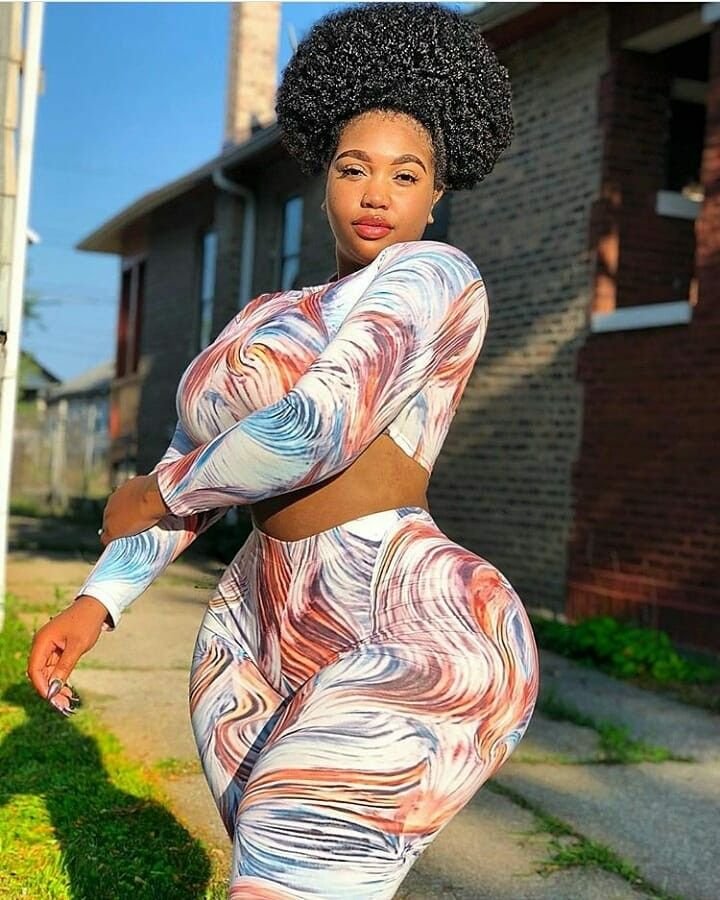
The Mental Health Impact: When Shame Becomes a Shadow
Body shaming affects mental health in deep, lasting ways:
- Anxiety about appearance
- Depression
- Eating disorders
- Low self-esteem
- Feeling “not enough” or “too much”
- Internalized racism
For Black African women, these struggles are often compounded by:
- Colorism
- Texturism
- Fetishization
- Workplace discrimination
- Social media comparison
- Family comments passed down through generations
It becomes a lifelong negotiation between loving yourself and surviving in a world that often tells you not to. This is why conversations like this matter. Healing begins with naming the wound.
Reclaiming the Narrative: From Shame to Power
Black women are rewriting the story of their bodies. Despite everything, Black women continue to reclaim their beauty, their identity, and their narrative.
We are embracing our:
- Natural hair
- Dark skin
- Curves
- Full lips
- African features
- Cultural beauty traditions
- Ancestral pride
We are saying:
“Our bodies are not trends. Our features are not mistakes.
Our beauty are not up for debates.
We are enough exactly as we are.”
This reclamation is not just personal it is political, cultural, ancestral and powerful because it is healing generations of harm.
Voices of Strength: What We Want Listeners to Take Away
- Black women’s bodies are not mistakes—they are masterpieces.
- Beauty standards are not universal—they are constructed.
- Body shaming is not harmless—it is a form of violence.
- Healing is possible—and it begins with self-love and community support.
- Your body tells a story of survival, heritage, and power.
Closing Message from Shirley Caines your Vice-President and Treasurer of the Plataforma Nacional Herencia di Sclavitud na Aruba (PNHSA).
To every Black African woman listening:
Your body carries history.
Your body carries strength.
Your body carries beauty that cannot be replicated, imitated, or erased.
Your body is not too much.
Your curves are not too bold.
Your skin is not too dark.
Your features are not too strong.
Your voice is not “too loud”
You are the blueprint.
You are the original.
You are exactly enough.
You always were.
You always will be.
You are worthy of love, respect and celebration without apology.
Your body is not a battleground; it is a legacy.
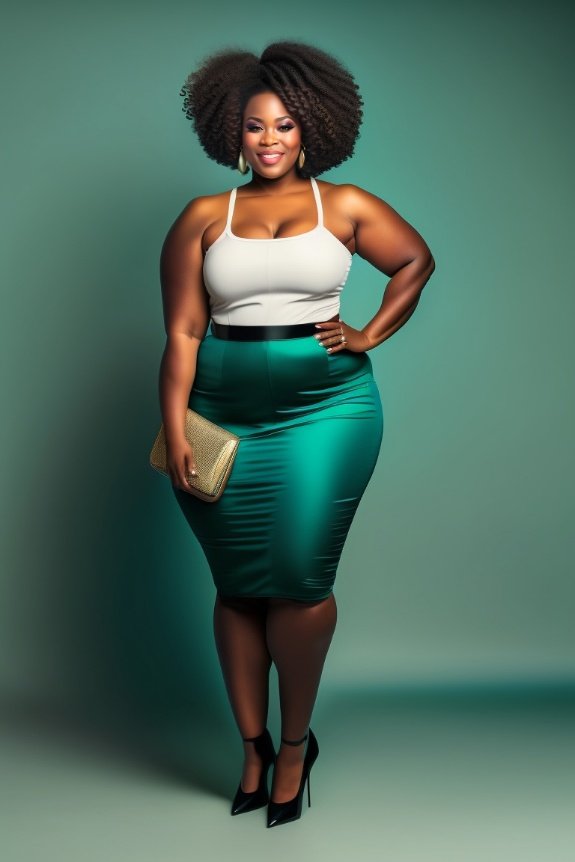
“The moment a Black woman decides to love herself loudly, the world is forced to listen.”