The Truth We Were Never Told: Why Full Disclosure Is Essential for Caribbean Healing
By Shirley Caines, Vice President & Treasurer of PNHSA
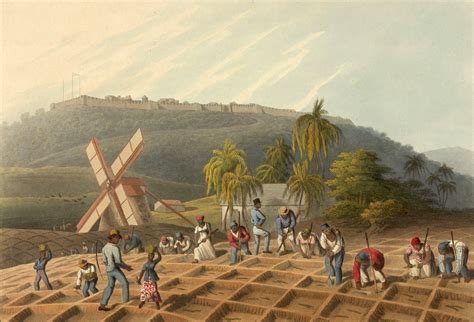
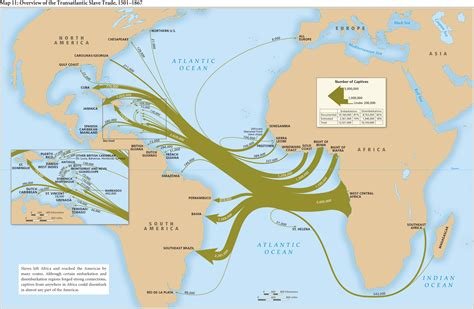
For generations, we the descendants of the Transatlantic Slave Trade have lived in the Caribbean with only fragments of our true story. Our history was filtered, softened, and often sanitized. We were taught dates, events, and political transitions, but not the full emotional, psychological, and human reality of what our ancestors endured.
We learned about “colonialism,” but not about the systems of terror that upheld it.
We learned about “plantations,” but not about the torture chambers they often were.
We learned about “masters,” but not about the psychological sickness that allowed human beings to justify such cruelty.
But we have reached a moment where half‑truths can no longer sustain us.
Full disclosure is no longer optional. It is essential for healing, identity, and justice.
Breaking the Silence: The Stories We Were Denied
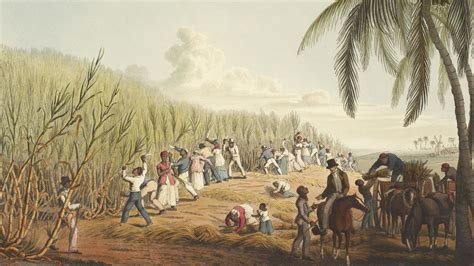
For centuries, Caribbean people have carried a quiet, heavy truth: our ancestors survived one of the most brutal systems of oppression in human history. Yet the full extent of that brutality was rarely spoken aloud.
Why?
Because silence protected the guilty.
Because silence maintained the illusion of “civilization.”
Because silence kept us disconnected from our own power.
But today, the silence is breaking.
We are finally speaking openly about:
- The violence
- The dehumanization
- The systematic breaking of families
- The psychological warfare
- The sexual exploitation
- The cultural erasure
These were not isolated acts. They were part of a deliberate system designed to crush the human spirit and reshape entire populations.
The Science Behind Our Pain: Intergenerational Trauma Is Real
Modern research has confirmed what our elders always felt but could not name:
trauma does not disappear simply because time passes.
It is carried forward.
It becomes embedded in:
- Our stress responses
- Our fears
- Our emotional triggers
- Our parenting styles
- Our decision‑making
- Our sense of identity
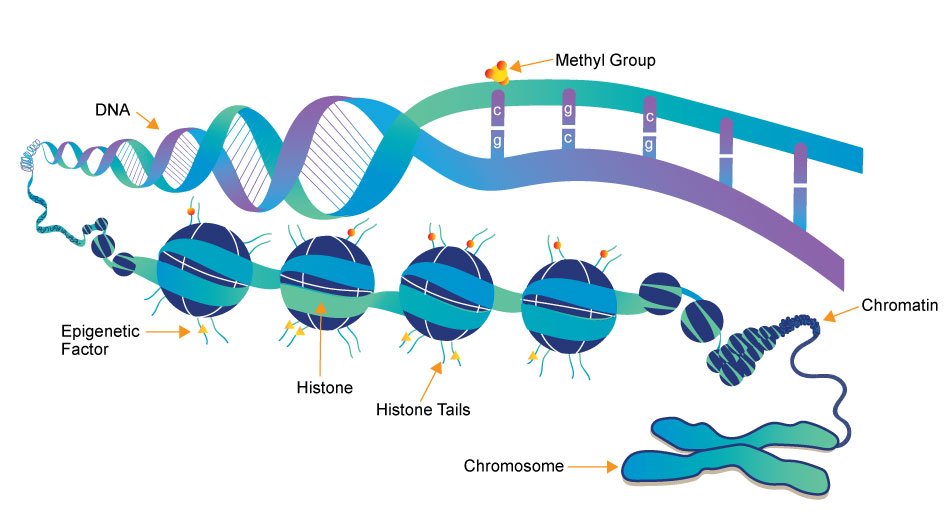
This is known as intergenerational trauma or epigenetic trauma.
Key researchers include:
- Dr. Joy DeGruy — Post‑Traumatic Slave Syndrome
- Dr. Rachel Yehuda — epigenetic trauma studies in Holocaust survivors
- Dr. Maria Yellow Horse Brave Heart — historical trauma theory in Indigenous communities
- Dr. Resmaa Menakem — somatic trauma in Black bodies
Their work shows that trauma can be transmitted across generations through:
- Learned behaviors
- Family dynamics
- Cultural memory
- Epigenetic changes in stress‑response genes
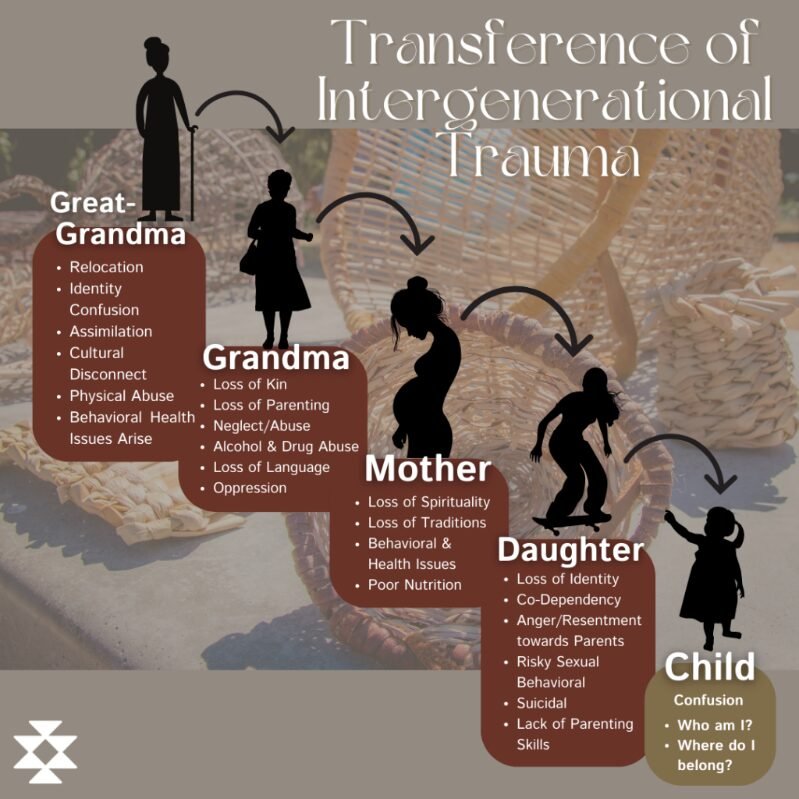
This means the wounds of slavery did not end with emancipation.
They live in us not because we are “dwelling on the past,” but because the past is still living inside us.
The Spotlight Has Always Been on Us – But Never on Them
For centuries, the world has placed the spotlight on Black people:
- In pity
- In sorrow
- In stereotypes
- In the ongoing discrimination we still face
But rarely, almost never has the world examined the psychological legacy of the oppressors.
We have been forced to examine our trauma.
But who has examined theirs?
We have been told to “move on.”
But who has asked whether they have healed from the ideologies that justified brutality?
We have been told to “forgive.”
But who has asked whether they have confronted the belief systems passed down through their families, institutions, and cultures?
What State of Mind Enables Atrocity?
To understand the full truth, we must ask difficult questions:
What mindset must a person be in to justify:
- Murder
- Rape
- Torture
- Sadism
- Dehumanization
- The destruction of entire cultures
- Cannibalism
These behaviors were not normal.
They were not rational.
They were not acts of “civilization.”
They reflected a collective psychological distortion a sickness of the mind and spirit shaped by supremacy, entitlement, and violence.
And yet, society rarely asks:
- What psychological damage did they inherit?
- What emotional patterns survived in their families?
- What belief systems were passed down to their descendants?
- Have they confronted the ideologies that justified dehumanization?
- Have they sought healing for the worldview that enabled centuries of brutality?
Or has it all been buried, suppressed, and left unexamined?
Trauma Is Inherited – But So Is Ideology
If trauma can be passed down through generations and research shows it can then so can:
- Racist ideologies
- Supremacist beliefs
- Emotional detachment
- Dehumanizing worldviews
- Patterns of domination and control
We cannot pretend that only the oppressed inherit psychological burdens.
The oppressors do too but theirs often go unacknowledged.
And unacknowledged wounds become repeated behaviors.
This is why systemic racism persists.
This is why discrimination continues.
This is why the echoes of slavery still shape our world.
Healing Cannot Be One‑Sided
We raise these questions not to condemn individuals, but to understand the full picture.
Because healing cannot be one‑sided.
If we the descendants of the enslaved are expected to heal, to forgive, to move forward, then the descendants of the enslavers must also confront the legacies they carry.
Only when both sides acknowledge their inherited burdens can we begin to break the cycles that history has left behind.
A New Era of Truth‑Telling
We are entering a new era, one where silence is no longer acceptable, where truth is no longer negotiable, and where healing requires honesty from all sides.
Our ancestors survived the unimaginable.
We carry their strength, their resilience, and their memory.
Now we must carry the truth as well.
Because only through truth can we finally begin to heal.