by Shirley Caines your Vice-President/Treasurer
Let’s talk about resilience or at least the thing many of us call resilience but is actually just… being extremely good at suffering.
Because somewhere along the way, especially in communities shaped by generational trauma and survival, we started confusing “I survived it” with “it made me stronger.” And those are not the same thing.

The Myth of “We’re Resilient Because We Endured Hell”
We love to say we’re resilient because:
- Our parents were strict to the point of fear
- We got licks with belts, slippers, extension cords …..pick your weapon
- We were shamed publicly for misbehaving
- We were pressured to get perfect grades
- We were told to “be grateful” instead of being guided
We say these things with pride, like badges of honor. But sometimes what we’re really saying is:
“I learned to function under chronic stress, and now I don’t know how to live without it.” That’s not resilience. That’s hypervigilance dressed up as personality.
Resilience Isn’t Just Endurance Nature Shows Us That
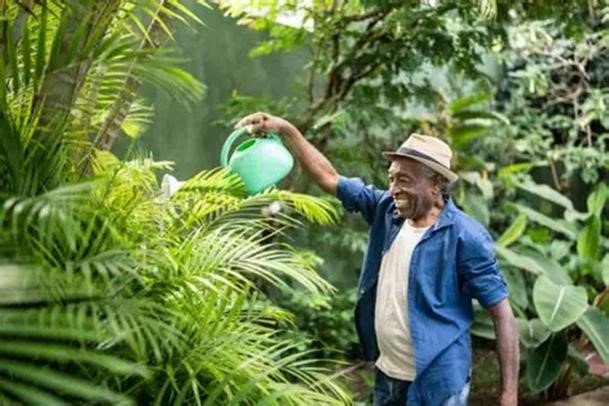
When I think about resilience, I don’t think about suffering. I think about plants.
Plants survive scorching heat, lack of water, storms and still manage to grow, bloom, and thrive.
They don’t just endure harsh conditions. They recover when the conditions improve.
That’s the part many of us never learned.
We mastered the “push through” part. But when the stress is gone? We’re like… now what?
Endurance Without Recovery Creates Adult Problems
Here’s what endurance without-recovery looks like in adulthood:
- Stress tolerance is high, but you can’t relax without feeling guilty
- You avoid conflict like a ninja, but then struggle to communicate your needs
- You work yourself into exhaustion, but feel unsafe with money even when you have it
- You can survive chaos, but fall apart over small mistakes
- You can endure pain, but can’t accept help
We learned to cope, not to heal. We learned to endure, not to restore.

Our Ancestors Survived Enslavement. But Survival Isn’t the Same as Resilience
When we talk about our enslaved ancestors, we often say:
“They were resilient.”
But let’s be honest: They were forced to survive unimaginable suffering, and they did. Their endurance was extraordinary but it was born from brutality, not choice.
Survival under oppression is not the same as resilience in freedom.
Resilience requires skills, not just pain tolerance.
What Real Resilience Should Look Like
Imagine if instead of punishment, shame, and fear, we had learned:
- Emotional regulation when stressed
- How to communicate when things get hard
- How to make mistakes without collapsing
- How to ask for help without shame
- How to recover after difficult experiences
- How to feel safe in our bodies, homes, and relationships
Imagine if consequences came with guidance, not humiliation. If boundaries came with trust, not fear. If teachers understood our learning differences shaped by generations denied literacy and helped us succeed instead of pressuring us to perform.
That’s resilience. Not the suffering. The recovery.
Endurance Is Not the Goal Growth Is
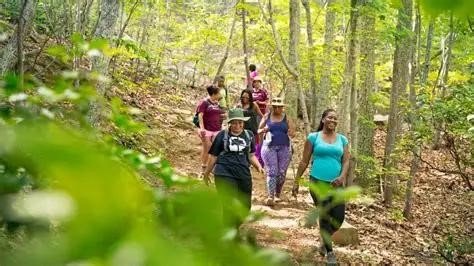
We don’t need to remove discomfort from life. We need to stop worshipping suffering as strength.
Real resilience is:
- Surviving what life throws at you
- And then recovering
- And then growing
It’s not just pushing through. It’s knowing how to come back to yourself afterward.
That’s the resilience we deserve. That’s the resilience our children deserve. That’s the resilience our ancestors fought for us to have.
Generational resilience is the strength that gets passed down through families and communities the psychological, emotional, and cultural skills that help people recover, adapt, and keep growing even after hardship. It’s the part of our inheritance that comes from love, creativity, connection, and resourcefulness rather than pain.
It’s the counterweight to generational trauma. Trauma passes down wounds. Resilience passes down tools.
What Generational Resilience Really Means
Generational resilience is the ability of a family or community to:
- Adapt to change without losing themselves
- Stay connected even when life gets chaotic
- Find meaning in difficult experiences
- Pass down coping skills that actually help the next generation
- Create hope where there wasn’t any
It’s not “we suffered and survived.” It’s “we learned how to survive and how to rebuild.”
The Psychology Behind It
Generational resilience is shaped by several protective processes:
- Adaptive coping — healthy ways of dealing with stress
- Social buffering — the nervous system calming down because you’re supported
- Collective efficacy — the belief that “we can do hard things together”
- Cultural identity — traditions that create belonging and pride
- Meaning-making — transforming pain into purpose
These are the psychological “nutrients” that help families bounce back instead of breaking.

What It Looks Like in Real Life
Generational resilience shows up in everyday moments:
- Families who laugh even when life is heavy
- Parents who teach their kids to dream beyond their circumstances
- Communities who create art, music, and culture out of struggle
- Elders who pass down stories of survival and pride
- People who learn to support each other emotionally even when resources are limited
It’s the auntie who says, “Baby, you’re stronger than you think.” It’s the cousin who teaches you how to hustle ethically. It’s the grandmother who reminds you, “We’ve made it through worse.”
For Descendants of Enslaved and Oppressed Peoples
Generational resilience is woven into the cultural DNA:
- Maintaining identity despite forced erasure
- Building community under systems designed to break it
- Creating joy in environments meant to suppress it
- Passing down hope even when freedom was denied
- Protecting each other through collective care
This resilience isn’t born from suffering it’s born from refusal to be erased.
Resilience vs. Suffering
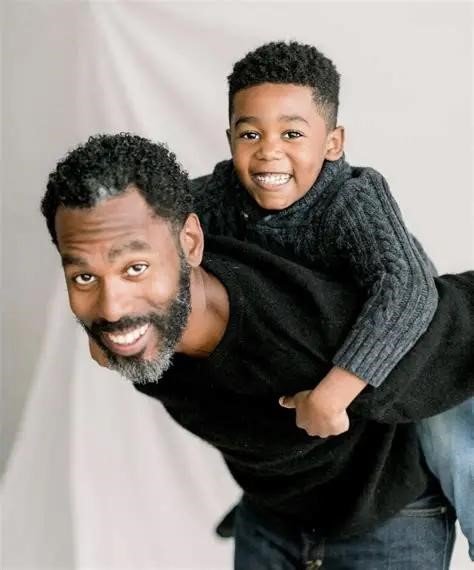
Here’s the difference:
- Trauma teaches fear.
- Resilience teaches recovery.
- Trauma teaches silence.
- Resilience teaches connection.
- Trauma teaches survival.
- Resilience teaches growth.
Enduring pain is not the same as learning how to heal.
Generational Resilience Matters Today
When you:
- set boundaries
- rest without guilt
- communicate your needs
- regulate your emotions
- ask for help
- choose compassion over fear
You’re not just healing yourself. You’re continuing the lineage of resilience.
You become the ancestor who passes down:
- emotional safety
- healthier relationships
- self-worth
- stability
- hope
That’s generational resilience the inheritance that helps future generations thrive instead of just survive.